Training videos help Australian businesses teach new skills, explain workplace procedures and deliver consistent information to employees, customers and stakeholders. From staff onboarding and workplace safety to software tutorials and professional development, the right training video can make complex information easier to understand and apply.
The best training videos do more than present information. They use clear demonstrations, engaging visuals and practical examples to help viewers understand what they need to do. Depending on the subject and audience, this might involve live-action filming, animation, screen recordings or a combination of production techniques.
We’ve rounded up seven training video samples that show how Australian organisations are using video to train their teams, explain processes and share practical knowledge. From well-known brands to smaller businesses, each example offers a different approach to training, whether through animation, live-action filming or a combination of both.
Our selection includes six training videos produced by 1 Minute Media and one external example, highlighting different approaches to effective workplace and instructional training.
Officeworks, one of Australia’s leading office supplies retailers, partnered with 1 Minute Media to produce instructional videos demonstrating how to assemble Pago office chairs.
The videos provide customers with step-by-step visual guidance, making it easier to understand the assembly process without relying entirely on written instructions or diagrams.
Assembling office furniture can be frustrating when customers are unfamiliar with the components or struggle to interpret written instructions.
For Officeworks, the challenge was to make the Pago chair assembly process easier for customers to follow, helping them understand the correct sequence of steps and assemble their chairs independently.
1 Minute Media produced instructional videos using visual demonstrations to guide customers through the chair assembly process.
By breaking the task into manageable steps, the videos give customers a practical reference they can follow while assembling their chairs. Viewers can pause or replay instructions whenever they need additional guidance.
The strength of this example lies in its practical application. Rather than explaining a concept or teaching a general skill, the videos help customers complete a specific task using a product they’ve purchased.
For retailers and product manufacturers, Officeworks demonstrates how how-to and instructional videos can make product information easier to follow, support customers after purchase and provide a reusable training resource for common assembly or setup tasks.
Edith Cowan University (ECU), a public university in Western Australia, partnered with 1 Minute Media to produce a 12-video eLearning series focused on Futures Thinking, an approach that helps people explore possible future scenarios and make more informed decisions.
The series was developed across four learning modules and two masterclasses, providing educational content designed to introduce key concepts and support a structured learning experience.
Futures Thinking involves exploring uncertainty, identifying emerging trends and considering how different decisions might influence future outcomes. These abstract concepts can be difficult to communicate through traditional learning materials alone.
The challenge was to present the subject in a way that learners could understand and engage with, while maintaining consistency across a larger educational program.
1 Minute Media developed the eLearning videos as part of a structured series, allowing the subject to be explored across multiple modules rather than compressed into a single presentation.
The modular format gives each topic its own space, helping learners build their understanding as they progress through the program. The inclusion of masterclasses also provides opportunities to explore the subject in greater depth.
What distinguishes this project is its scale and educational structure. Rather than producing a standalone training video, 1 Minute Media delivered a coordinated 12-video series designed to support an extended learning program.
For universities, training providers and organisations developing professional development courses, the ECU project demonstrates how eLearning video production can support structured education, communicate complex subjects and create reusable learning resources across multiple modules.
Pie Face, an Australian bakery and food retail chain, partnered with 1 Minute Media to produce a food safety training video for its hospitality operations.
The video focuses on communicating food safety procedures to staff, helping reinforce the importance of safe food handling and consistent workplace practices.
Food safety is essential in hospitality, where employees need to understand and follow established procedures. For businesses operating across multiple locations, communicating these requirements consistently is particularly important.
The training video provides a visual approach to communicating food safety procedures, making the information more accessible to employees than written instructions alone.
By presenting the subject through video, Pie Face can provide staff with a consistent training resource that can be revisited when needed.
The Pie Face project highlights how hospitality training videos can help businesses communicate essential workplace procedures across their teams.
For restaurants, cafés, food retailers and hospitality groups, it demonstrates the value of using video to support food safety education and consistent staff training.
Justice Health partnered with 1 Minute Media to produce animated training videos addressing mental health and psychological wellbeing in correctional settings.
The videos were developed to communicate important health information in a clear, accessible format, helping people in custody better understand mental health concerns and available support.
Mental health information can be difficult to communicate, particularly in correctional environments where health literacy, language barriers and individual circumstances can affect understanding.
The challenge was to make sensitive psychological health topics easier to understand without overwhelming viewers with complex medical terminology.
1 Minute Media used 2D animation and character-based scenarios to explore mental health and psychological wellbeing in correctional settings. The series supports health literacy and helps people understand common challenges, available support and the importance of clear communication.
Animation provides a way to explain sensitive subjects without relying entirely on clinical explanations or filmed scenarios, helping make the information more approachable for viewers.
The Justice Health project demonstrates how animated training videos can make sensitive health information more accessible to audiences with different levels of health literacy.
For healthcare providers, government agencies and organisations delivering mental health education, it shows how animation can support clear, considerate communication on subjects that require particular care.
A-Gas, an international company specialising in refrigerant management and environmental services, partnered with 1 Minute Media to produce an animated training video explaining its workplace safety reporting platform.
The video introduces the reporting system and helps employees understand how it supports workplace safety procedures.
An effective safety reporting system relies on employees understanding when and how to report workplace incidents and hazards. A-Gas needed to communicate the purpose of its reporting platform and encourage consistent use across its workforce.
1 Minute Media used animation to explain the safety reporting platform, presenting its purpose and key processes in a visual format.
The video makes procedural information easier to follow, providing employees with a consistent introduction to the system and its role in workplace safety.
The A-Gas project shows how workplace safety training videos can help organisations introduce internal reporting systems and communicate important procedures without relying solely on written documentation.
For industrial businesses and organisations managing workplace health and safety, it’s a practical example of using animation to support employee understanding of safety processes.
Jaiota, a technology business specialising in logistics and freight management solutions, partnered with 1 Minute Media to produce software onboarding videos designed to help users become familiar with its digital platform.
The videos introduce the software and provide guidance on using its features, helping new users understand the system and navigate its functionality.
Introducing a digital platform requires more than explaining what the software does. Users also need to understand how to navigate its features and complete everyday tasks.
For Jaiota, the challenge was to make the onboarding process easier to follow, particularly for users unfamiliar with the platform.
1 Minute Media developed onboarding videos that explain the software’s functionality in a structured, easy-to-follow format.
By breaking down the platform’s features into manageable instructions, the videos help users become familiar with the system without having to rely entirely on written guides or individual assistance.
The Jaiota project demonstrates how software onboarding videos can help technology businesses introduce digital platforms and support users as they learn new systems.
Unlike the larger organisations featured in this list, Jaiota also highlights how specialised businesses can use training videos to improve customer education and create resources that can be used repeatedly as their user base grows.
Starting a new job often means learning unfamiliar procedures, understanding workplace expectations and getting to know the responsibilities of a particular role. Downer Group’s employee induction videos take a practical approach to this process, using workplace scenarios to introduce employees to their day-to-day responsibilities.
The series follows different operational roles, including meter readers and plumbers, showing how scenario-based storytelling can make induction training more relevant to real working environments. Produced by Paramount Video Productions, the videos demonstrate how live-action training can help new employees connect workplace instructions with situations they may encounter on the job.
Effective training videos do more than deliver information. They help viewers understand new concepts, remember important procedures and apply what they’ve learned. Clear instructions, well-paced explanations and relevant visual demonstrations all contribute to a training video that people can follow and refer back to when needed.
Choosing the right production format is equally important. Live-action filming is particularly useful for demonstrating physical tasks, workplace procedures and interpersonal skills, while animation can simplify technical processes, safety requirements and abstract concepts. Screen recordings are often better suited to software tutorials, and combining these formats can be effective when training covers different types of information.
The most useful training videos are also designed around their audience. A customer assembling furniture needs straightforward visual instructions, while an employee learning workplace safety procedures may need realistic scenarios and clear examples of appropriate responses. Whether produced as a standalone video or part of a larger training series, the goal is to make learning practical, accessible and relevant to the people watching.
Planning a training video involves decisions about production style, budget, content and how the finished videos will be used. Here are answers to some common questions from Australian businesses and organisations.
Training video production costs depend on the length, complexity, filming requirements and number of videos needed. A straightforward instructional video filmed at one location will generally have different production requirements from a fully animated training series or a multi-location corporate training project.
For an accurate estimate, it’s best to provide a video production company with your training objectives, intended audience and approximate number of videos.
Live-action is generally best for demonstrating physical tasks, equipment use and workplace interactions. Animation is useful for explaining technical concepts, internal systems or situations that are difficult to film.
Training videos don’t always need to use one format exclusively. Combining live-action footage with motion graphics, screen recordings or animation can make instructions clearer.
The ideal length depends on the subject and what viewers need to learn. Short videos work well for individual tasks, while more complex topics may require longer lessons or a series of shorter modules.
Rather than fitting everything into one video, consider dividing training into focused sections that employees can revisit when needed.
Yes. Training videos can help businesses deliver consistent information across different branches, departments and locations.
Content covering company-wide procedures, onboarding or compliance requirements can often be reused, although location-specific instructions and regulatory requirements may need separate versions.
Yes. Training manuals, PowerPoint presentations, standard operating procedures and existing eLearning materials can provide the foundation for a training video.
A production team can help adapt these materials into scripts, visual demonstrations, animations or screen-based tutorials suited to the intended audience.
Yes, although the ease of updating depends on how the original video was produced. Screen recordings, motion graphics and animation may allow individual sections to be revised, while live-action changes could require additional filming.
If procedures change regularly, it’s worth discussing future updates during pre-production so the videos can be planned with revisions in mind.
Whether you’re developing employee onboarding, workplace safety training, software tutorials or a complete eLearning series, 1 Minute Media can help bring your training content to life.
Our Australian video production team creates live-action, animated and instructional training videos tailored to your audience and learning objectives.
Explore our training video production services or request a quote to discuss your project.

Bio: As a co-founder of 1 Minute Media, Kathy has been instrumental in producing thousands of strategic videos for Australian businesses.
She has a unique background in education, service & sales, adding depth to everyone seeking to promote their business or organisation through video.
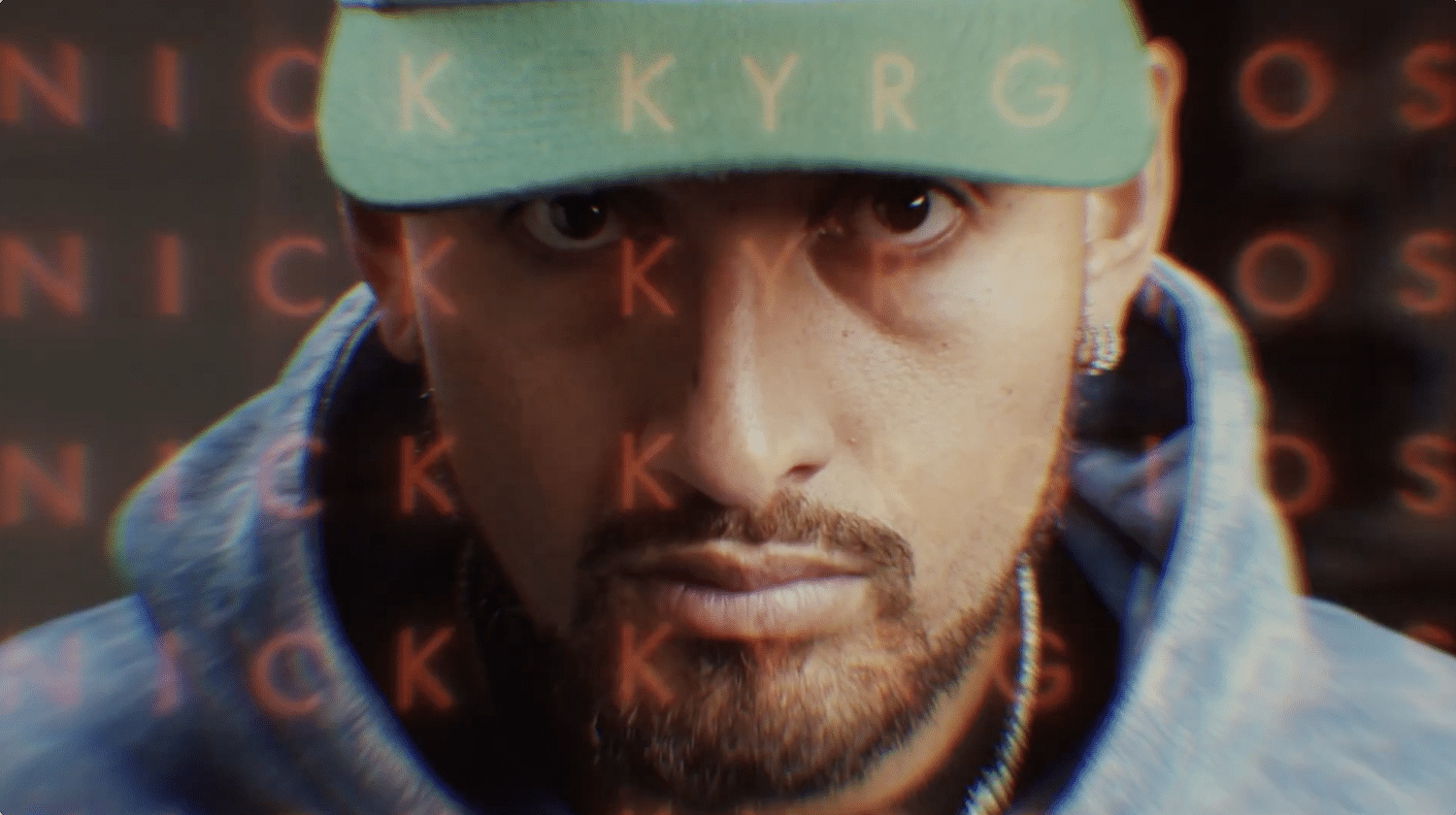
Tennis Majors engaged 1 Minute Media to produce an International TVC video series starring Nick Kyrgios for the Ultimate Tennis Showdown (UTS) in Los Angeles. Bringing Kyrgios’ unmistakable personality and energy to the screen, the live action campaign built excitement and awareness around the groundbreaking tournament.
SciDev needed a clear, engaging way to explain technical water technology, systems and operational processes.
1 Minute Media created a custom animation campaign to simplify SciDev’s systems, benefits and practical applications into clear, easy-to-follow training content.
The animation turns a practical workplace system into a simple, easy-to-understand training tool.
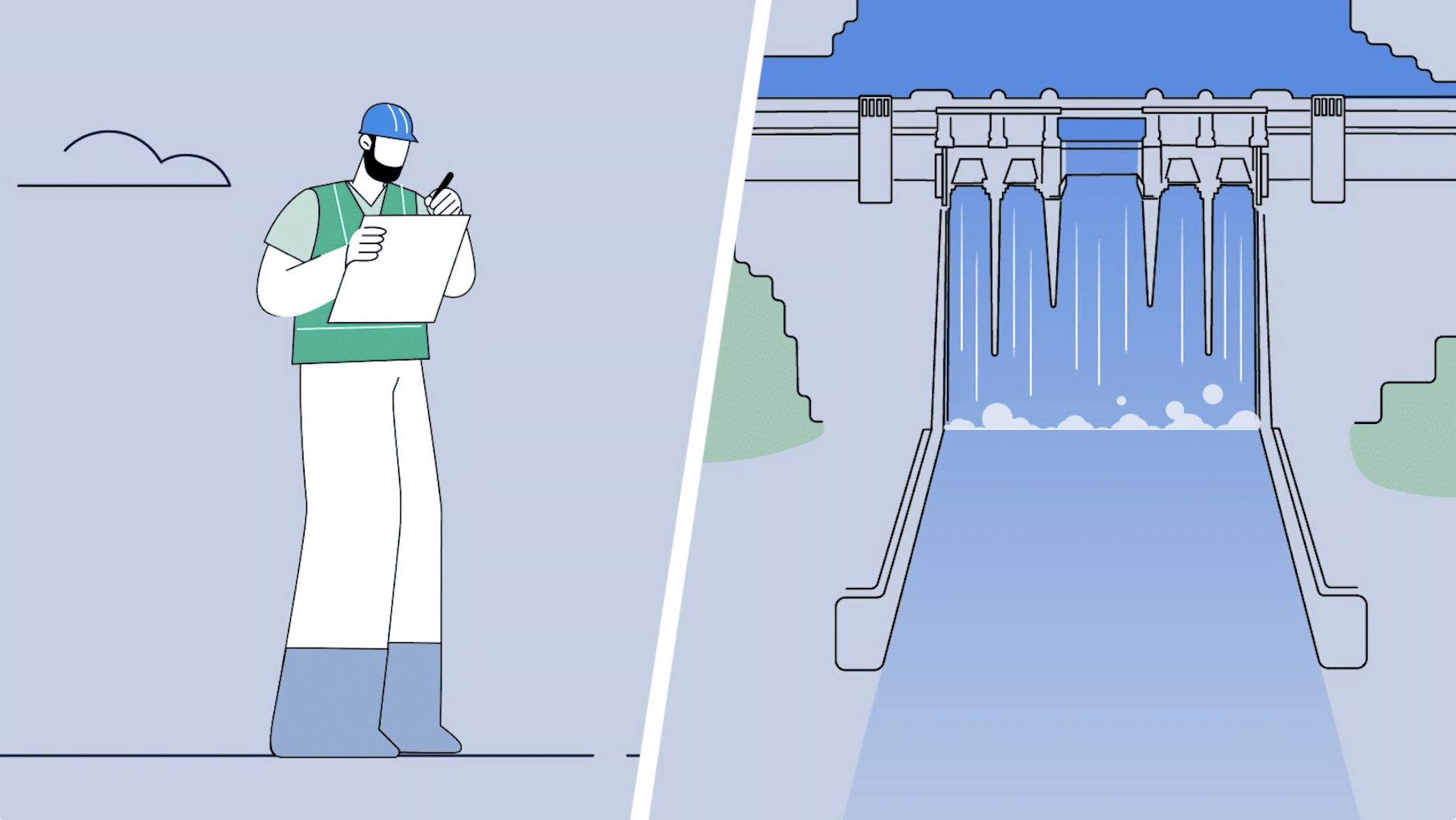
Agas needed a clear, engaging way to explain its safety reporting platform.
1 Minute Media created a short animated explainer video to show how teams can report issues quickly, follow the right process and stay safe and compliant.
The animation turns a practical workplace system into a simple, easy-to-understand training tool.

Tennis Majors engaged 1 Minute Media to produce a brand video series and international TV ads starring Nick Kyrgios for the Ultimate Tennis Showdown (UTS) in Los Angeles. Bringing Kyrgios’ unmistakable personality and energy to the screen, the live action campaign built excitement and awareness around the groundbreaking tournament.