
Whether it’s helping families access healthcare, explaining changes to government services or encouraging communities to adopt safer habits, getting important information across isn’t always straightforward. Government organisations often need to communicate with people of different ages, backgrounds and levels of familiarity with a subject, making clarity and accessibility especially important.
Animation offers a creative way to bridge that gap. Instead of relying on lengthy explanations or technical language, it can bring everyday situations to life, walk viewers through unfamiliar processes and make important messages easier to follow. In fact, Wyzowl’s 2026 State of Video Marketing report found that 96% of surveyed consumers have watched an explainer video to learn more about a product or service, showing just how familiar audiences are with this way of learning.
What makes government animation particularly useful is its versatility. A simple illustrated story might help pet owners understand their responsibilities, while a step-by-step animation can guide residents through a new digital service. The right approach depends on the audience, the message and what people need to understand or do after watching.
To show how these ideas work in practice, we’ve brought together seven government animation video examples from Australia, covering public health, community safety, environmental education and more. Each offers a different perspective on how animation can turn complex or unfamiliar information into something people can understand and act on.
Every government communication project begins with a different challenge. Some need to explain a new public service, while others aim to raise awareness, encourage behavioural change or help communities navigate unfamiliar information.
As you explore the videos below, consider how each organisation has tailored its message to its audience, and which creative approaches might work for your own communication goals.
Even the most loved pets can wander when their natural instincts take over. For Cairns Council’s Protect Your Mate campaign, 1 Minute Media created a series of playful animated advertisements to help pet owners recognise when their animals are more likely to escape, particularly during mating season.
The campaign uses humour and familiar pet behaviours to introduce an important message about responsible pet ownership without making the subject feel overly serious or instructional.
Encouraging responsible pet ownership means more than simply reminding people to keep their animals secure. Pet owners need to understand why their pets might wander, even when they are well cared for at home.
Cairns Council needed a way to make these risks relatable and memorable, reaching pet owners with a message they could recognise in their own everyday experiences.
The When Love Calls animation uses colourful illustrations, playful visual storytelling and a lighthearted approach to show how pets can become determined to escape during mating season.
Rather than presenting a list of rules, the video builds its message around a familiar situation, making the subject approachable while keeping the underlying pet safety message clear.
This campaign shows how humour can make a serious community safety message easier to engage with. By focusing on behaviour pet owners can recognise, the animation encourages viewers to think about their own pets and the precautions they may need to take.
For government organisations communicating everyday safety advice, it’s a useful reminder that educational messages don’t always need a formal tone to be meaningful.
Pregnancy brings plenty of changes, and knowing where to turn for reliable health advice can make a real difference. To help expectant mothers access the support available to them, NSW Health partnered with 1 Minute Media to create an animated video introducing its Get Healthy in Pregnancy service.
The animation explains how pregnant women aged 16 and over in NSW can access free, confidential telephone coaching to support their health and wellbeing throughout pregnancy.
Having a helpful service available is one thing. Making sure the people who could benefit from it know it exists, understand what it offers and feel comfortable accessing it is another.
NSW Health needed to introduce the coaching service in a way that felt welcoming and easy to understand. For expectant mothers navigating unfamiliar health information, the message needed to communicate both the practical benefits of the program and the reassurance that support was available.
The video uses friendly 2D illustrated characters, soft colours and simple visual elements to introduce the service without overwhelming viewers with information.
Everyday health and wellbeing concepts are represented through recognisable illustrations, helping make the coaching program feel approachable. The animation also presents the service in a clear, easy-to-follow format, allowing viewers to focus on what support is available and how it relates to their pregnancy.
One of the strengths of this animation is its reassuring approach. Rather than making pregnancy health information feel clinical or complicated, it introduces a supportive service in a way that feels personal and accessible.
For government and healthcare organisations, it’s a useful example of how thoughtful character design and gentle visual storytelling can help people feel more comfortable exploring services they may be unfamiliar with.
Moving from paper documents to digital systems can make everyday processes more convenient, but it can also raise questions for people accustomed to doing things a certain way. To support Victoria’s transition to electronic certificates of title, Secure Electronic Registries Victoria (SERV) and the Department of Transport and Planning (DTP) worked with 1 Minute Media to develop a series of animated explainer videos.
Using clean 2D line-art animation, the videos help audiences understand the shift towards electronic land titles and what it means for property transactions in Victoria.
Changes to land administration processes can be difficult to explain, particularly when they involve unfamiliar terminology and established legal procedures.
SERV and DTP needed to communicate the transition from paper to electronic certificates of title in a way that would be easy to follow. The challenge was to introduce a new digital process while helping viewers understand its purpose and how it relates to property transactions.
Rather than relying on lengthy technical explanations, the animation uses simple line drawings of properties, documents and other familiar visual elements to illustrate the concepts behind electronic certificates of title.
The restrained 2D line-art style keeps the visuals uncluttered, allowing each idea to be introduced progressively. This makes it easier for viewers to follow the explanation without needing extensive prior knowledge of land administration or electronic conveyancing.
This example highlights the value of showing people how a process works, rather than simply describing it.
By breaking an unfamiliar administrative change into smaller visual steps, the animation gives viewers a clearer way to understand what is changing and why it matters.
For government organisations introducing digital services, regulatory updates or new procedures, it’s a useful example of how straightforward visual explanations can make technical information less intimidating and easier to navigate.
Neighbourhood batteries have the potential to help communities make better use of renewable energy, but understanding how they work isn’t always straightforward. To make the technology more familiar, Victoria’s Department of Energy, Environment and Climate Action (DEECA) partnered with 1 Minute Media to produce a series of animated explainer videos for its Neighbourhood Batteries program.
Using live sketch animation, the videos introduce community battery storage and explain its potential benefits in a way that feels conversational, practical and easy to follow.
DEECA had already attracted strong interest in its Neighbourhood Batteries program through grant applications. However, encouraging people to engage with the educational information surrounding the technology presented a different challenge.
For people unfamiliar with energy storage, concepts such as storing excess solar power and sharing energy within a community can feel abstract. DEECA needed to make this information more approachable while helping audiences understand how neighbourhood batteries could benefit their local area.
The videos use live sketch animation, with illustrations appearing progressively as each concept is explained. Rather than presenting a completed diagram filled with unfamiliar information, viewers can follow the drawings as the explanation unfolds.
This approach is particularly suited to introducing technical concepts. Familiar images of homes, batteries and local communities help connect energy infrastructure with everyday experiences, while the hand-drawn presentation gives the videos an informal, educational feel.
The series was also designed for shorter viewing experiences, making the animations suitable for sharing through websites, events, social media and email communications.
What stands out about this project is how the animation turns an unfamiliar technology into something viewers can picture in their own neighbourhoods.
By building the explanation visually, one idea at a time, the videos give audiences room to understand the technology before introducing its wider benefits.
For government organisations communicating new technologies or infrastructure initiatives, this example shows how a gradual, visually guided explanation can make complex subjects feel more relevant to everyday life.
When an important national conversation affects communities across Australia, making reliable information available in a language people understand becomes especially valuable. Ahead of the 2023 Voice to Parliament referendum, Aboriginal Family Legal Services (AFLS) in Western Australia partnered with 1 Minute Media to produce a series of animated information videos in English and Kimberley Kriol.
Created to address misinformation and help Aboriginal communities better understand the referendum, the animations provided a visual resource that could be shared through community workshops and social media.
The Voice to Parliament referendum generated significant public discussion, with people encountering different explanations and claims about what the proposed constitutional change would mean.
AFLS needed to provide clear, accessible information to communities across Western Australia, including audiences who preferred to receive information in Kimberley Kriol.
The challenge went beyond simplifying a complex civic topic. The videos also needed to communicate effectively across languages, remain consistent in their messaging and be ready for distribution within a limited timeframe ahead of the referendum.
The videos combine animated typography, illustrated graphics and voiceovers to present referendum information in manageable sections.
Producing English and Kimberley Kriol versions allowed AFLS to share the information with audiences in their preferred language while maintaining a consistent visual approach across the campaign.
The animations were also adapted into shorter social media edits, giving AFLS flexibility to share key information through different channels. This made the content suitable for both community information workshops and online viewing.
One of the most valuable aspects of this project is its attention to language and distribution. An animation can be visually clear, but its usefulness also depends on whether the intended audience can understand and access the information.
By developing multilingual versions and shorter edits, AFLS created resources that could be used in different community settings rather than relying on a single video format.
For organisations communicating with diverse audiences, this example highlights the importance of considering language, accessibility and where people will encounter the message from the beginning of a project.
Finding reliable health information can be overwhelming, especially when you’re unsure which services are available or where to begin looking. To help make that process easier, South Western Sydney Primary Health Network (SWSPHN) partnered with 1 Minute Media to create a 2D animated explainer introducing its Health Resource Directory.
Designed for patients and carers across South Western Sydney, the animation shows how the online directory can help people find trusted, locally relevant health information and resources.
Creating a useful online resource is only part of the equation. People also need to know it exists, understand what they can find there and feel confident using it.
SWSPHN needed to introduce the Health Resource Directory to a broad community, including people with different levels of confidence navigating online health information.
The challenge was to explain the directory’s purpose and practical benefits without making the experience feel complicated. The message also needed to reach communities with different language needs, making accessibility an important consideration.
The video uses friendly 2D illustrated characters alongside simplified website graphics to introduce the directory and demonstrate how people can use it.
By combining familiar everyday situations with visual representations of the online resource, the animation helps viewers connect the directory’s features with their own health information needs.
The project also included multilingual versions, allowing SWSPHN to communicate the same essential information to audiences across different language backgrounds.
This animation demonstrates the importance of helping people feel comfortable using a service, rather than simply telling them that it exists.
Showing an online resource in action gives viewers a clearer idea of what to expect before visiting it themselves. The approachable characters and simplified interface illustrations help make the experience feel less daunting.
For healthcare organisations and public service providers, it’s a useful example of how animation can introduce digital resources and guide people towards information they may otherwise struggle to find.
We’ve all had that moment of standing in front of the bins, wondering where something belongs. Sustainability Victoria’s Recycle Right animation takes this everyday confusion and turns it into a humorous story, featuring recyclable objects that come to life after ending up in the wrong bin.
Produced by Creativa, the video puts a fun spin on an important environmental message. By giving familiar household objects their own personalities, it offers a lighthearted way to get people thinking about their recycling habits without feeling like they’re being given another set of rules.
Effective government animation combines clear messaging, visual storytelling, and audience-focused design to make complex information easier to understand. The seven examples above demonstrate how different creative approaches can support public education, community awareness, and technical communication.
Government organisations use animation video production to explain policies, technical processes, and public services through clear visual storytelling.
For example, SERV and DTP’s Electronic Certificates of Title animation uses simple line drawings to explain a digital process, while DEECA’s Neighbourhood Batteries project uses progressive illustrations to introduce renewable energy concepts. Both demonstrate how explainer video production can make unfamiliar information easier to follow.
Government animation should consider the audience’s needs, including their familiarity with the topic and accessibility requirements.
NSW Health’s Get Healthy in Pregnancy animation uses relatable characters and simple illustrations to introduce a healthcare service. Similarly, SWSPHN’s Health Resource Directory video uses familiar situations and simplified website visuals to guide viewers.
These examples demonstrate how healthcare and medical video production can help communicate public health information in a clear, approachable format.
Effective animation requires creative decisions that match the message and intended audience. Scriptwriting, storyboarding, illustration, and animation all contribute to how clearly information is communicated.
Cairns Council’s pet safety campaign uses humour and colourful characters, while DEECA’s Neighbourhood Batteries animation takes a more instructional approach.
The 1 Minute Media team applies creative and production expertise to develop content for different communication needs, supporting broader government video production projects.
Government animation projects often involve complex information, diverse audiences and specific accessibility requirements. These frequently asked questions cover the practical considerations involved in planning and producing effective government animation videos.
Animation is a useful option when information is difficult to explain through words alone, whether you’re introducing a new public service, explaining a policy change or helping communities understand an unfamiliar process.
It’s particularly effective when viewers need to see how something works or when filming real-life situations would be impractical. Animation can also help make sensitive or technical topics feel more approachable.
Before deciding on animation, consider what your audience needs to understand or do after watching. If the goal is to explain a process, illustrate an abstract concept or simplify several steps, animation may be a good fit. If personal experiences or real-world demonstrations are central to the message, live-action footage or a combination of filming and animation may be more suitable.
Government animation costs vary depending on the video’s length, creative style, visual complexity and production requirements. As a starting point, 1 Minute Media offers one-minute animations at approximately $3,000-5,000 + GST, depending on the animation style, scripting, illustration, voiceover and complexity.
More detailed animations involving custom characters, multiple scenes, complex movements, live-action filming or additional language versions may require a higher budget.
Before requesting a quote, it’s worth preparing a brief outlining your target audience, key message, preferred video length and where the animation will be used. Include any requirements for subtitles, translated versions or additional social media edits.
When comparing production quotes, check what’s included in the price, particularly scriptwriting, storyboarding, revisions and final deliverables. This will help you understand the overall value of each proposal and avoid unexpected costs later.
For a single, focused message, around 60 to 90 seconds is often a useful starting point. More detailed explanations, such as introducing a new government process or service, may need two to three minutes.
The best length depends on how much information your audience genuinely needs and where they’ll watch the video. A short animation for social media will have different requirements from an instructional video hosted on a government website.
If your project involves several topics or complicated steps, consider dividing the information into a series of shorter animations. This can make the content easier to follow and allow viewers to revisit the sections most relevant to them.
The right animation style depends on your message, audience and the information you need to communicate. Government videos don’t always need to be fully animated, either. Combining animation with live-action footage can be an effective way to bring clarity to real-world stories, demonstrations or public information campaigns.
2D character animation is worth considering when you want to explain everyday situations, share relatable stories or make sensitive topics feel more approachable.
Motion graphics can be a practical choice for communicating statistics, timelines, procedures or information that benefits from clear visual organisation.
Line-art and live sketch animation work well when viewers need to follow a process or understand an unfamiliar concept one step at a time.
Live-action video combined with animation can work particularly well when you want to show real people, locations or services while using animated text, diagrams or graphics to explain key details. This approach can be useful for government campaigns that need both a human connection and clear educational content.
If you’re unsure which approach to choose, start by identifying the most difficult part of your message to explain. Consider whether viewers would benefit most from a relatable story, a real-world demonstration or a sequence of simple diagrams. The right combination often becomes clearer once you’ve established what the audience needs to take away.
Yes. Government animation videos can be adapted into different languages through translated voiceovers, subtitles and on-screen text, making them useful for communicating with Australia’s linguistically diverse communities.
If your organisation needs multiple language versions, it’s best to identify these requirements during the planning stage rather than after the original animation is complete.
Different languages can require more or less time to communicate the same message, which may affect narration timing and on-screen graphics. Cultural considerations, terminology and accessibility requirements should also be reviewed carefully.
For projects reaching several language groups, consider whether you need fully translated versions or whether subtitles will meet your audience’s needs. Involving suitable language and community reviewers can help ensure the final videos communicate clearly and respectfully.
A good government animation starts with a clear understanding of who you’re trying to reach and what you want them to take away from the video.
Before production begins, identify the one or two messages that matter most. Trying to explain too much in a single animation can make it harder for viewers to remember what’s important.
It’s also worth involving relevant stakeholders early, particularly when scripts require policy, legal or technical approval. Agreeing on the key messages, terminology and approval process before animation begins can help reduce revisions and keep production moving smoothly.
Finally, consider where the video will be shared. An animation intended for a government website may need a different format from one designed for social media, community presentations or staff training. Planning these requirements early can help you get more use from the finished video.
From public health campaigns to community education, these seven examples show how animation can make important information easier to understand and act on. The right approach starts with knowing your audience, keeping the message clear and choosing visuals that bring it to life.
Have a government animation project in mind? Contact 1 Minute Media to discuss your ideas and get a tailored quote.

Bio: As a co-founder of 1 Minute Media, Kathy has been instrumental in producing thousands of strategic videos for Australian businesses.
She has a unique background in education, service & sales, adding depth to everyone seeking to promote their business or organisation through video.
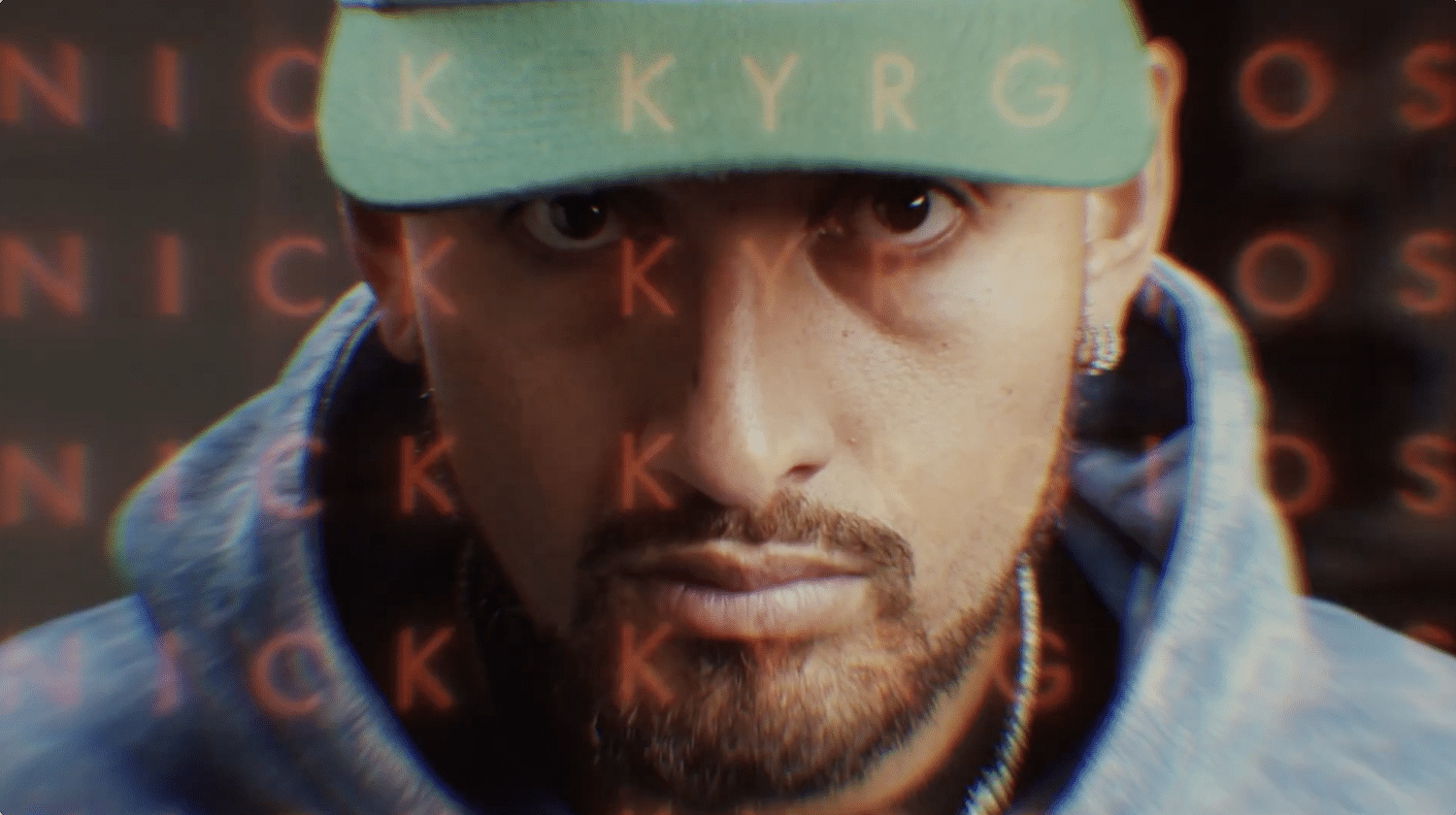
Tennis Majors engaged 1 Minute Media to produce an International TVC video series starring Nick Kyrgios for the Ultimate Tennis Showdown (UTS) in Los Angeles. Bringing Kyrgios’ unmistakable personality and energy to the screen, the live action campaign built excitement and awareness around the groundbreaking tournament.
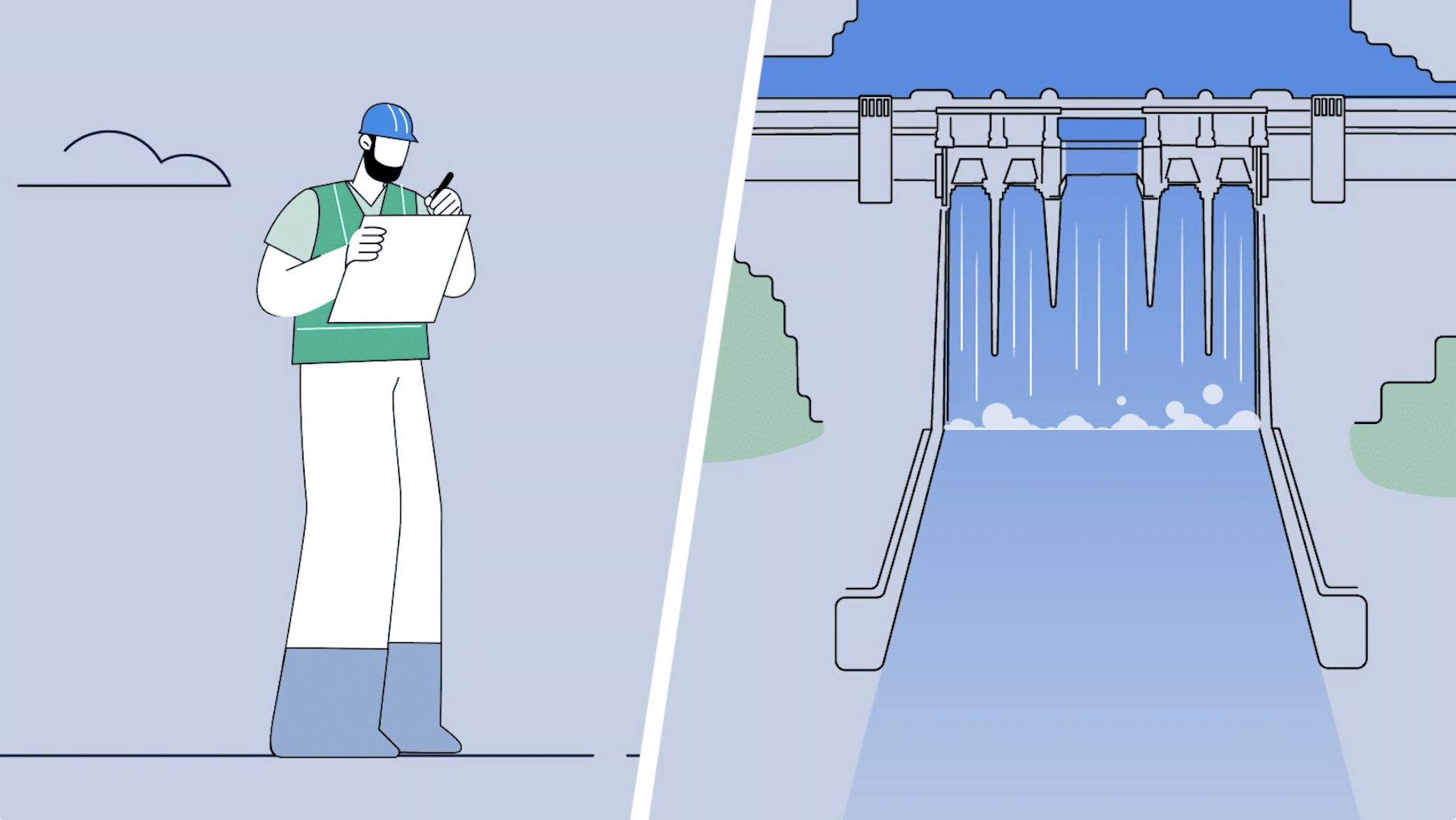
SciDev needed a clear, engaging way to explain technical water technology, systems and operational processes.
1 Minute Media created a custom animation campaign to simplify SciDev’s systems, benefits and practical applications into clear, easy-to-follow training content.
The animation turns a practical workplace system into a simple, easy-to-understand training tool.
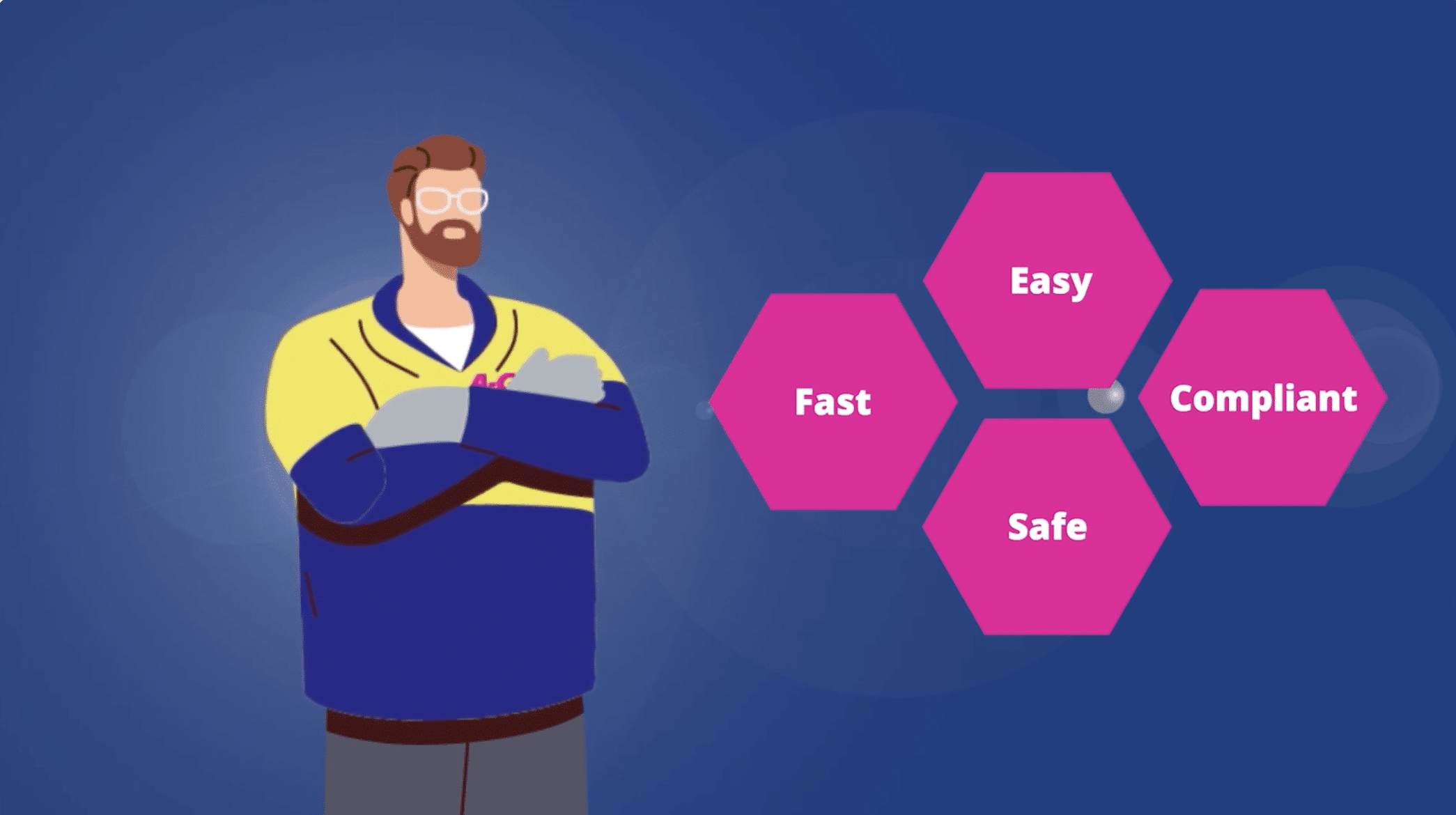
Agas needed a clear, engaging way to explain its safety reporting platform.
1 Minute Media created a short animated explainer video to show how teams can report issues quickly, follow the right process and stay safe and compliant.
The animation turns a practical workplace system into a simple, easy-to-understand training tool.
Tennis Majors engaged 1 Minute Media to produce a brand video series and international TV ads starring Nick Kyrgios for the Ultimate Tennis Showdown (UTS) in Los Angeles. Bringing Kyrgios’ unmistakable personality and energy to the screen, the live action campaign built excitement and awareness around the groundbreaking tournament.

